Entry · Ref 1VQERT8L
What Foods to Avoid With New Dental Crowns
- Posted
- 2026-11-04
- Last amended
- 2026-11-04
- Account
- @chancemsjq114
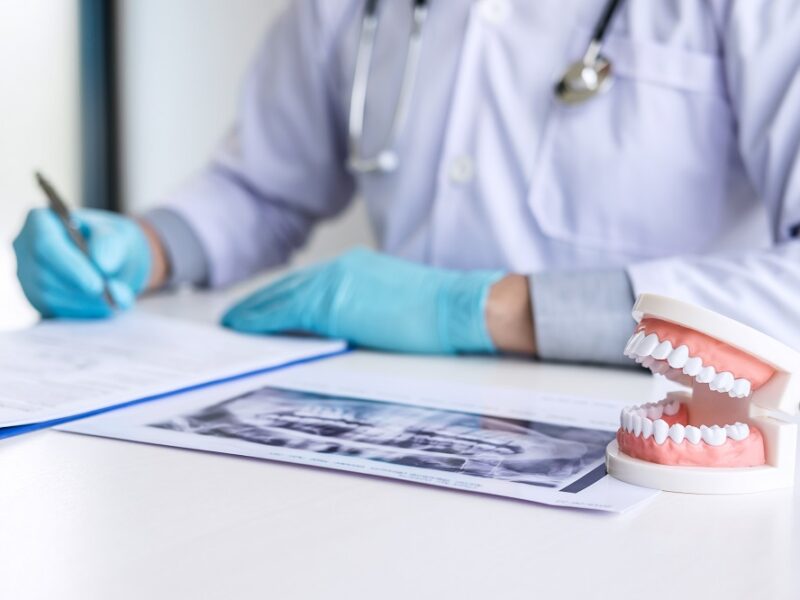
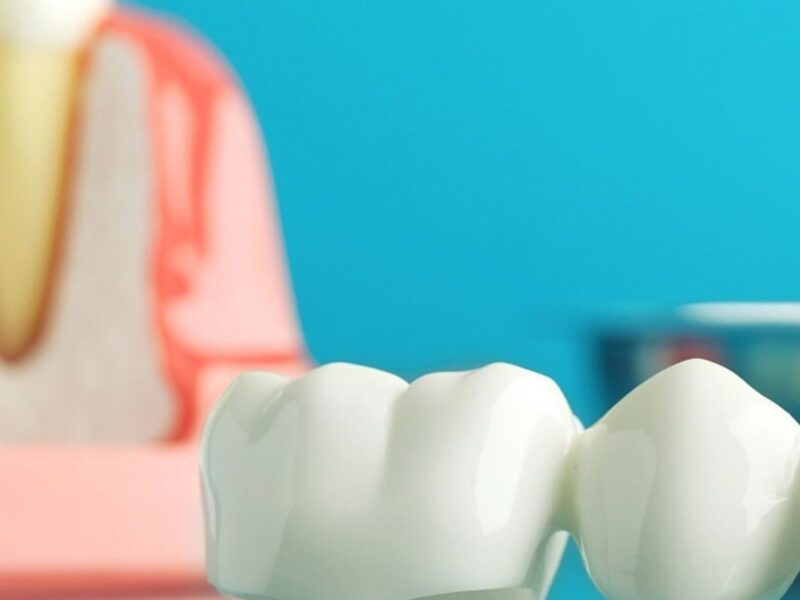
Getting a new crown often feels like the end of a dental problem. The tooth is covered, the appointment is over, and the sore spot that led you into the chair in the first place finally seems handled. Then comes the less glamorous part, figuring out how to eat without undoing good work.
That matters more than many people expect. A new crown is durable, but the first days and weeks after placement are a transition period. The tooth underneath may still be sensitive. The cement needs time to fully set, depending on the material and technique used. Your bite may feel slightly unfamiliar, even when the fit is excellent. During that period, the wrong foods can cause pain, loosen a temporary crown, stress a permanent one, or simply make recovery more uncomfortable than it needs to be.
Patients usually do best when they think less about a strict forbidden menu and more about texture, temperature, and force. A crown does not fail because someone ate one specific bad item. Problems happen because certain foods pull, crack, grind, stick, or shock a freshly treated tooth before it has settled in.
The first question to ask, temporary or permanent?
The advice changes depending on whether you have a temporary crown or a permanent crown.
A temporary crown is far more vulnerable. It is usually made from less durable material and held in place with weaker cement because your dentist needs to remove it later. That means sticky candy, chewy bread crust, and gum can pull it right off. Even biting into something as ordinary as a dense granola bar has caused plenty of temporary crowns to come loose.
A permanent crown is much stronger, whether it is porcelain, zirconia, porcelain fused to metal, or gold. Still, “permanent” does not mean indestructible. A newly cemented crown can feel solid and still need a little time before heavy chewing feels normal. If the tooth had a deep cavity, a root canal, or extensive drilling beforehand, tenderness may linger even when the crown itself is perfectly placed.
The safest approach is to be especially careful for the first 24 hours, thoughtful for the first week, and realistic after that. Once everything feels stable, most people return to a normal diet with a few sensible long-term precautions.
Why certain foods cause trouble
Most crown-related food problems fall into one of a few patterns.
Some foods are too hard. They place direct biting force on the crown and the tooth underneath. That can create pain, chip porcelain, or aggravate a bite that is just a little too high.
Some foods are too sticky. They grip the crown and tug upward as you chew. Temporary crowns hate this. Permanent crowns tolerate it better, but repeated stress is still not ideal.
Some foods are sharply crunchy. The issue is not only hardness, but unpredictability. Popcorn kernels, Dental Crowns hard nuts, and seed shells do not break down evenly. They strike one spot with concentrated pressure.
Other foods are simply too hot or too cold. A crowned tooth can be temperature sensitive for a while, especially if the nerve is still alive and the tooth was heavily prepared. Ice water or a spoonful of steaming soup can feel surprisingly intense.
Then there is sugar. Sugar does not harm the crown material itself, but it absolutely affects the margin where the crown meets the natural tooth. That small border is the area dentists watch most closely over time. If plaque collects there and the diet is consistently high in sugar, decay can still develop at the edge of a crown.
Foods most likely to cause problems right after crown placement
If I had to narrow the risky foods to the ones that most often lead to trouble in the first few days, it would be these:
- Sticky foods such as caramel, taffy, gummy candy, chewing gum, and very chewy dried fruit
- Hard foods such as ice, hard candy, whole nuts, peanut brittle, and unpopped popcorn kernels
- Tough or dense foods such as crusty bread, bagels, jerky, thick pizza crust, and chewy steak
- Extremely hot or cold foods and drinks if the tooth is temperature sensitive
- Sugary snacks eaten frequently, especially when brushing is difficult because the area feels sore
That list is practical, not dramatic. Plenty of people take one bite of caramel and nothing happens. Plenty of others lose a temporary crown to a soft sandwich because they chewed on the wrong side and the bread acted like glue. Dentistry is like that. The material matters, but so do the details.
Sticky foods are the biggest trap for temporary crowns
Temporary crowns fail most often because people underestimate how much pulling force comes from sticky textures. They think of danger as biting down hard, when in fact the crown often comes loose on the way back up.
Caramel is the obvious culprit, but it is not alone. Gummy vitamins, fruit snacks, chewy protein bars, toffee, and thick peanut butter on fresh bread can all create enough suction or drag to dislodge a temporary. Even some “healthy” snacks become a problem, especially dried mango, dates, or raisins packed into trail mix.
One patient once described losing a temporary crown while eating a plain turkey sandwich. That sounds odd until you picture fresh bread compressed against the tooth, then peeling away as she opened her mouth. The crown came with it. No pain, just surprise. It happens.
With a permanent crown, sticky foods are less of an emergency, but still worth moderating. If the crown is brand new, or if the tooth is a little sore, sticky foods make chewing awkward and can provoke tenderness.
Hard foods can chip porcelain and irritate the tooth underneath
Porcelain and ceramic crowns are strong under normal chewing force, but strength has limits. Most damage comes from habits and hard impacts, not from ordinary meals. Biting ice is a classic example. It is cold, rigid, and concentrated on a small contact point. That is about the worst combination for a new crown.
Hard candy causes a similar problem, especially when people absentmindedly crack it instead of letting it dissolve. Nuts are usually fine later on if chewed carefully, but whole almonds or very hard mixed nuts can be too aggressive in the early period. Popcorn is another troublemaker. The fluffy part is harmless, the kernel fragments are not. They wedge into grooves, strike sharp angles, and have a remarkable talent for finding dental work.
Even if the crown itself does not chip, the tooth can become inflamed from heavy force. People sometimes think, “The crown hurt, so something must be wrong with the crown.” Often the issue is that the ligament around the tooth got bruised from pressure, especially if the bite was already a touch tender.
Crunchy and crusty foods create uneven pressure
There is a category of food that is not exactly hard, but still causes trouble because it breaks irregularly. Think baguette crust, seeded crackers, kettle chips, thick pretzels, and granola. These foods scatter force rather than cushioning it. One bite may feel normal, the next lands directly on a sensitive point.
Dense bread products deserve special mention. Bagels, pizza crust, and artisan breads can be surprisingly demanding on a new crown because they combine chewiness with resistance. They ask more from the jaw and the tooth than soft foods do. If a crown feels even slightly high, these foods reveal it fast.
This is why many dentists give simple post-procedure advice like “start with softer foods.” It is not because you can only eat soup. It is because texture tells you more than ingredients do. Scrambled eggs, yogurt, oatmeal, fish, mashed potatoes, soft rice, pasta, and tender cooked vegetables let the area settle down without repeated stress.
Temperature extremes can make a well-fitted crown feel like a problem
A tooth that still has a living nerve may react after crown preparation. Some of that sensitivity comes from the procedure itself, some from inflammation, and some from the way a newly crowned tooth transmits sensation. The crown is not causing damage, but the tooth may still be reactive.
Very cold drinks often trigger the strongest complaints. Ice water, smoothies, frozen desserts, and even cold air inhaled through the mouth can produce a quick zing. Hot coffee and soup can also bother some people, though heat sensitivity is less common. Either way, it makes sense to keep foods and drinks moderate in temperature until you know how the tooth responds.
If temperature pain is severe, worsening, or lasting more than a brief moment, that deserves a call to the dentist. Mild sensitivity can be normal. Strong, lingering pain is less reassuring.
Sugary foods are a long game problem
A crown covers a tooth, but it does not make that tooth immune to decay. The vulnerable area is the margin, where the edge of the crown meets natural tooth structure. If plaque sits there and sugar feeds the bacteria, recurrent decay can form under or around the crown over time.
This is why a person can have a technically good crown and still need it replaced years later. The failure is not always the crown material. Sometimes the problem is what happened at the edge.
That means foods to avoid are not only the dramatic ones like hard candy. Frequent sipping and snacking can be just as harmful. Sweet coffee all morning, sports drinks, candy mints, and repeated grazing on sugary snacks expose the crown margin again and again. The frequency matters as much as the amount.
Patients often ask whether a crowned tooth needs “special cleaning.” The answer is mostly no, but it does need consistent cleaning. Brushing along the gumline and flossing carefully around the crown are what protect the margin. If the area is sore for a day or two, people tend to avoid it. That is understandable, but it is exactly when plaque starts building.
What to eat instead while the crown settles
The easiest way to avoid trouble is not to obsess over what is forbidden, but to choose foods that do not fight back. For the first day or two, most people do well with choices like these:
- Soft proteins such as eggs, yogurt, cottage cheese, flaky fish, tofu, or tender chicken
- Gentle starches such as oatmeal, rice, pasta, soft bread, mashed potatoes, or pancakes
- Cooked vegetables and soft fruits, including bananas, applesauce, avocado, and steamed vegetables
- Lukewarm soups and stews, as long as they are not scalding hot
- Water and non-acidic drinks, taken without a lot of ice if cold sensitivity is present
This does not have to feel like a medical diet. A bowl of pasta, scrambled eggs with toast, soft tacos, rice with salmon, or soup with well-cooked vegetables can all work well. The point is reducing force and irritation while the crown becomes unremarkable, which is exactly what you want.
How long do food restrictions actually last?
This is where experience matters, because patients often hear different versions of the same advice.
For a temporary crown, caution lasts the entire time you wear it. That might be one to three weeks in many cases, sometimes longer. During that period, avoid chewing sticky or hard foods on that side as much as possible. If you forget once, do not panic. Just know the temporary is not built for rough treatment.
For a permanent crown, the strictest caution is usually the first 24 hours, especially if your dentist used a cement that benefits from full setting time. After that, many people can eat fairly normally, but should still ease back into tougher foods over several days. If the tooth is tender, your body is giving useful feedback. Listen to it.
If you had significant dental work before the crown, such as a deep filling, root canal treatment, or treatment of a cracked tooth, the tooth may take longer to feel normal. That does not necessarily mean the crown is failing. It may simply mean the tooth has had a lot done.
A bite that feels “off” changes what foods you can tolerate
One of the most common reasons a new crown hurts with food is not the food itself, but the bite. If the crown is even slightly high, that tooth gets hit first and harder than the others. Soft foods may feel fine, but crunchy or chewy foods become uncomfortable fast.
Patients describe this in different ways. “It feels tall.” “I keep landing on it first.” “It only hurts when I chew.” Those Dental Crowns are useful clues. A tiny adjustment by the dentist can make a dramatic difference. Crowns do not need to feel strange for you to be polite. If something feels wrong after the numbness wears off and a day or two has passed, ask to have it checked.
I have seen people avoid one side of the mouth for weeks, convinced they just needed more time, when a five-minute bite adjustment solved the whole issue. Food restrictions should gradually loosen, not get more frustrating.
Habits matter as much as food choices
Sometimes the bigger risk is not a specific food but the way someone eats it. Biting with the crowned tooth alone, chewing only on one side, tearing open packets with the front teeth, crunching ice, or clenching during meals can all stress new dental work.
Night grinding deserves mention here too. If you clench or grind, a crown may not be damaged by breakfast at all, but by eight hours of pressure during sleep. For those patients, food advice helps, but a night guard may do more to protect the investment than avoiding nuts ever will.
The same logic applies to people who snack constantly. A crown can hold up well mechanically and still develop edge decay if it is bathed in sugars and acids all day. Dental Crowns last best when the diet is reasonable and the hygiene is steady.
Restaurant meals, holidays, and other real-life situations
Most eating mishaps happen outside the home. Restaurant food tends to be hotter, crustier, stickier, and harder to judge. Holiday foods are full of hidden challenges, nuts in stuffing, chewy candy, brittle desserts, hard rolls, and ice in every drink.
If you have a temporary crown and an event coming up, choose with intention. Cut food into smaller pieces. Chew on the opposite side. Skip the caramel dessert even if it looks excellent. Avoid testing your luck with steak if the crown went on yesterday. None of this is forever, but a little discipline prevents an annoying phone call the next morning.
For permanent crowns, the same practical judgment applies. If it feels fine, eat normally but sensibly. If it feels questionable, do not use a celebratory dinner to see whether crusty bread is suddenly a good idea.
When food discomfort is normal, and when it is not
Some mild soreness with chewing is common at first. So is brief temperature sensitivity. What should improve, however, is the trend. Each day should feel roughly the same or a little better.
Call your dentist if chewing pain is sharp, getting worse, or focused in one spot. The same goes for a crown that feels loose, a bite that still feels high after a few days, pain that wakes you at night, or sensitivity that lingers long after the food is gone. Those signs do not always mean a serious problem, but they do mean “wait and see” is no longer the best plan.
If a temporary crown comes off, keep it if you can and call the office. Many can be recemented. If a permanent crown comes loose, do not try to power through meals on it. That is a situation to address promptly, because the underlying tooth can become vulnerable quickly.
The longer view on eating with crowns
Once fully settled, most crowns function beautifully. People eat salads, sandwiches, cooked meats, fruit, rice, pasta, and ordinary snacks without giving the crown a second thought. That is the goal. A good crown should disappear into daily life.
Still, the healthiest long-term mindset is not “the crown is strong, so anything goes.” It is “the crown restores a tooth, but it does not make that tooth invincible.” Ice chewing is still a bad idea. Repeated sticky candy is still asking for trouble. Constant sugar exposure is still rough on the margin and the gums.
The best patients are usually not the most restrictive. They are the most observant. They notice tenderness early, avoid obvious stressors while healing, clean well around the crown, and speak up when the bite feels off. That quiet common sense protects Dental Crowns better than any rigid food rule ever could.
A new crown should make eating easier, not more complicated. For the first stretch, choose softer textures, avoid foods that pull or crack, and pay attention to what your mouth is telling you. Once the tooth settles, normal meals should feel normal again, and that is when you know the crown is doing its job.
Simple Dental South Gate
Address: 8617 California Ave, South Gate, CA 90280
Phone number: +13236896118
FAQ About Dental Crowns
How much do crowns cost per tooth?
In the United States, a single dental crown typically costs between $800 and $2,500 per tooth without insurance. The ultimate out-of-pocket price depends heavily on the crown material, the location of the tooth, and whether you have dental insurance coverage.
What is the downside of crowns on teeth?
The primary downside of a dental crown is that the procedure permanently removes natural tooth enamel to shape the tooth for the cap.
Why do dentists push for crowns?
Dentists recommend crowns because a large filling cannot provide enough strength when a tooth loses a major portion of its structure or faces heavy chewing pressure.