Entry · Ref LDOEFPEO
Dental Crowns After Root Canal Treatment: Why They Matter
- Posted
- 2026-11-04
- Last amended
- 2026-11-04
- Account
- @chancemsjq114

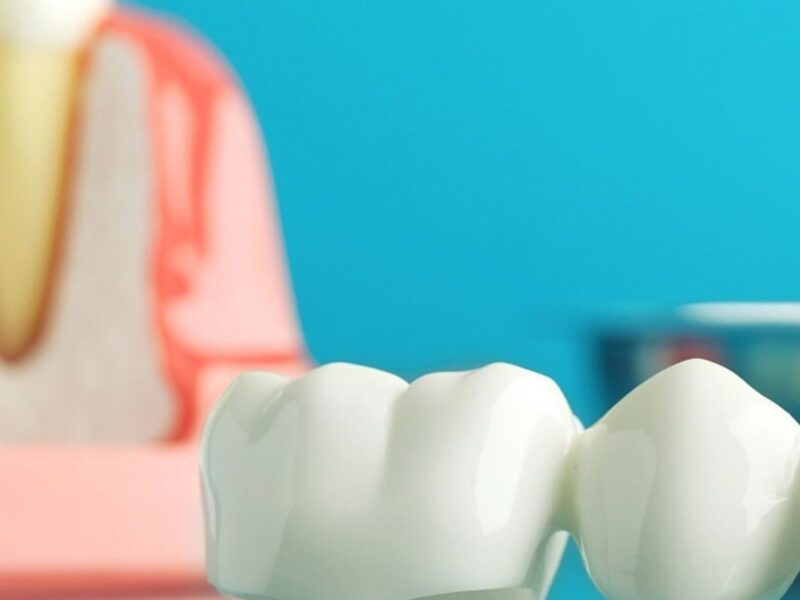

When a Dental Crowns patient hears the words "root canal," the usual reaction is relief mixed with fatigue. Relief, because the infected tooth can often be saved. Fatigue, because many people assume the hard part is over once the nerve is removed and the discomfort settles down. In practice, that is only part of the job. The restoration that follows, often a filling at first and then a crown, determines whether that treated tooth stays functional for years or ends up cracked, reinfected, or extracted sooner than expected.
That is why Dental Crowns matter so much after root canal treatment. They are not an upsell tacked onto the procedure. In many cases, they are the reason the treatment succeeds long term.
A root canal removes infected or inflamed pulp tissue from inside the tooth. The inside is cleaned, disinfected, and sealed. What many people do not realize is that a tooth needing root canal treatment has usually already lost a great deal before the procedure even starts. It may have a deep cavity, a large old filling, internal weakening, or a fracture line. By the time the root canal is complete, the infection is gone, but the remaining tooth structure is often fragile. The crown is what gives that tooth a second chance at handling real-life chewing forces.
The tooth is no longer the same after a root canal
A healthy tooth is a remarkable structure. Enamel on the outside is hard but brittle. Dentin underneath has a little flex and helps absorb force. The pulp in the center contains blood vessels and nerves, but its presence is not what makes a tooth strong. This point matters because people sometimes hear that a root canal "kills" the tooth and assume the loss of vitality is the main reason it becomes brittle. The picture is more nuanced.
The larger problem is structural loss. Teeth that need root canals are often heavily restored or decayed to begin with. To access the canals, a dentist also creates an opening through the top of the tooth. If the tooth had a large cavity or a broken cusp before treatment, even more support may be missing. What is left can function for a while, but it behaves differently under stress.
Back teeth take the brunt of chewing. Molars and premolars absorb repeated vertical and sideways forces every day, often without much thought from the person using them. A tooth that has had root canal treatment can still chew, but if its walls are thin and unsupported, they can split under pressure. This may happen while eating crusty bread, chewing ice, biting down on nuts, or even grinding at night. I have seen patients go from "It felt fine after the root canal" to "Half the tooth broke off last weekend" with little warning in between.
That is the practical reality. The root canal removes pain and infection. The crown protects what remains.
Why crowns are so often recommended for back teeth
Not every root canal treated tooth automatically needs a crown, but many do, especially posterior teeth. The reason is simple biomechanics. Back teeth are shaped with cusps, those pointed ridges designed to grind food. When the tooth is hollowed out by decay, old fillings, or endodontic access, those cusps can flex outward under biting pressure. Over time, that flex leads to cracks. A crown wraps around the tooth and helps hold those weakened parts together.
A well-made crown covers the visible chewing portion of the tooth and redistributes force more evenly. Instead of one thin wall absorbing all the pressure, the restoration creates a more unified structure. That does not make the tooth indestructible, but it reduces the risk of catastrophic fracture.
This matters because not all fractures are fixable. If a root canal treated tooth chips on the surface, it may still be restored. If it develops a vertical crack extending below the gumline or into the root, the tooth may become unrestorable. At that point, the patient is no longer deciding between a filling and a crown. They may be deciding between extraction, implant, bridge, or partial denture. The cost, complexity, and healing time all increase.
That is often the part patients wish someone had emphasized earlier. A crown can feel expensive when the root canal is fresh and the tooth no longer hurts. Replacing a lost tooth is almost always more expensive.
Why front teeth are a different conversation
The rule is not identical for every tooth. Front teeth, especially upper and lower incisors, are slimmer and generally take less crushing force than molars. If a front tooth needed a root canal because of trauma, but still has most of its natural structure intact, it may sometimes be restored with a bonded filling rather than a full crown.
Clinical judgment matters here. If the front tooth is darkening, has extensive decay, already carries a large filling, or has fractured edges, a crown may still be the better option. In other cases, a more conservative restoration can serve well. This is where blanket statements get patients into trouble. "My friend had a root canal and did not need a crown" may be true, but the comparison may be meaningless if the teeth and circumstances were completely different.
The amount of remaining tooth structure is often the deciding factor. Dentists are not just treating the root canal, they are evaluating the architecture left above the gumline.
Timing matters more than many people expect
One of the more common mistakes after root canal treatment is waiting too long to complete the final restoration. Sometimes the delay is financial. Sometimes the tooth feels better and drops off the priority list. Sometimes the temporary material seems to be holding, so the urgency fades. That delay can undo good work.
Temporary fillings are useful, but they are not designed for long-term chewing. They can wear down, leak, crack, or loosen. A root canal treated tooth left with only a temporary or large basic filling is more vulnerable to both fracture and bacterial reinfection. If saliva and bacteria seep back into the internal space, the root canal outcome can be compromised.
Many dentists aim to move fairly promptly from root canal completion to final restoration. The exact timing depends on the tooth, symptoms, whether a specialist performed the treatment, and whether a core buildup or post is needed. But in general, months of delay are not ideal. A tooth can fail quietly during that waiting period.
I have seen cases where the endodontic treatment itself looked technically sound on the X-ray, but the tooth fractured before the patient came back for the crown. That is a frustrating loss, especially because it is often preventable.
What a crown actually does for a root canal treated tooth
People often understand crowns in cosmetic terms because they see the word used in smile makeovers. After root canal treatment, their function is much more practical than cosmetic, even when appearance matters too.
A crown can help by doing the following:
- It protects weakened cusps and remaining tooth walls from splitting under chewing pressure.
- It seals the tooth more reliably than a large direct filling in many high-stress situations.
- It restores shape and bite, which helps distribute force more evenly.
- It allows a heavily damaged tooth to stay in function instead of being lost.
- It can improve appearance when the tooth is discolored or structurally compromised.
That does not mean a crown is a guarantee. Crowns can chip, loosen, wear, or fail if decay returns underneath. But for many endodontically treated teeth, particularly molars, a crown shifts the odds significantly in the tooth's favor.
The role of the core buildup and, sometimes, a post
Patients often hear several terms in quick succession, root canal, buildup, post, crown, and understandably blur them together. They are related but not the same.
After the canals are sealed, the dentist may need to rebuild the missing internal and coronal part of the tooth with a filling material called a core buildup. This creates a stable foundation for the final crown. If enough natural tooth remains, the buildup alone may be enough.
When very little tooth is left above the gumline, a post may be placed into one of the root canals to help retain that core. This point is frequently misunderstood. A post does not strengthen the root. If anything, an unnecessary or oversized post can increase risk by removing more dentin. Its purpose is retention, not reinforcement. Good dentists place posts selectively, not automatically.
The quality of the ferrule also matters, though patients rarely hear that word. Ferrule refers to a band of healthy tooth structure above the gumline that the crown can grip around. Teeth with a solid ferrule usually have a better long-term prognosis than teeth with very little remaining wall height. If there is not enough structure, additional procedures such as crown lengthening may be discussed. These are not cosmetic details. They are the mechanics that determine whether the crown is resting on a stable foundation or merely covering a compromised shell.
Material choices and what they mean in everyday use
Not all crowns are made from the same material, and the best option depends on location, bite forces, esthetic demands, and the amount of room available. Patients often ask for "the strongest one," but that is not always the right question. Strength matters, but so do fit, thickness requirements, wear behavior, appearance, and how the material interacts with the opposing tooth.
All-ceramic and zirconia crowns are common choices today. They can look natural and perform well, particularly when designed properly. Porcelain-fused-to-metal crowns still have a place in some situations and have a long track record. Full gold crowns, though less popular cosmetically, remain one of the most durable restorations for back teeth when the patient is open to the appearance.
There is no universal winner. A patient who clenches heavily at night may benefit from a material and design chosen with force management in mind. Someone restoring a visible premolar may care more about translucency and shade match. A patient with a very limited opening or tight bite may present technical constraints that make one option more sensible than another.
This is where treatment planning becomes more than a menu. A good crown is not just a product. It is a combination of material, preparation design, laboratory work, bite adjustment, and proper cementation.
When a crown may not be necessary
A professional discussion about Dental Crowns should also include the exceptions. Not every tooth with root canal treatment requires full coverage. A small front tooth with minimal structural loss may do well with a bonded restoration. Some premolars in low-stress situations can sometimes be treated more conservatively if enough tooth remains. Modern adhesive dentistry has expanded the range of options in selected cases.
But restraint cuts both ways. Avoiding a crown only makes sense when the clinical situation truly supports it. Conservatism is not the same as under-treatment. If a tooth has thin walls, a history of large restorations, signs of crack lines, or sits in a patient with heavy bite forces, the cheaper short-term option can become the costly long-term one.
The challenge is that fractures do not schedule appointments in advance. A tooth may survive six months with a large filling and then fail during one meal. That unpredictability is exactly why dentists tend to recommend crowns more readily for root canal treated posterior teeth.
What patients often feel, and why that can be misleading
One reason crowns get postponed is that the tooth usually feels better after the root canal. The pain that drove the patient into treatment is gone. In some cases, the tooth is numb to temperature because the nerve has been removed, so there are fewer warning signals. A patient may interpret that calm as strength.
It is often the opposite. A root canal treated tooth can be structurally vulnerable while feeling perfectly normal. The absence of pain is not proof that the tooth is adequately protected. That disconnect catches people off guard.
Another issue is that root canal treated teeth can fracture without dramatic symptoms at first. The person may notice a strange bite, an occasional twinge when chewing, or a sensation that the tooth "gives" slightly. By the time a visible crack appears or a cusp breaks, the repair options may be narrower.
Cost, value, and the mistake of comparing only line items
It is reasonable for patients to weigh cost. Root canal therapy plus a buildup plus a crown can be a substantial investment. Insurance coverage varies, and out-of-pocket expenses are real. But the math changes when you compare paths over time instead of line items on a single treatment plan.
Saving a tooth usually preserves chewing efficiency, avoids bone loss associated with extraction, and prevents neighboring teeth from drifting. If the treated tooth fails because it was not properly protected, the replacement path may involve extraction, grafting, implant placement, a healing period, and a final crown on the implant. In many regions, that sequence costs several times more than finishing the original treatment correctly.
There is also the cost of interruption. Emergency appointments, time off work, swelling before a weekend trip, difficulty chewing on one side for months, these are not always captured on a financial estimate, but patients feel them acutely.
That said, there are cases where a crown is not the most sensible next step. If the tooth has a guarded prognosis because of severe periodontal disease, a deep root fracture, or insufficient remaining structure, placing a crown may not be wise. A candid dentist will say that too. The point is not that every treated tooth should be crowned at all costs. The point is that for a salvageable tooth with good support, the crown is often the piece that makes the investment worthwhile.
Signs that a root canal treated tooth needs prompt reassessment
Patients should not wait for severe pain before seeking evaluation. A root canal treated tooth deserves attention if there is a change in function, pressure, or integrity.
A prompt check is wise if you notice:
- A piece of the tooth or filling has chipped or broken off.
- The temporary filling feels loose, sunken, or rough.
- Biting causes a sharp catch, pressure point, or new tenderness.
- The gum near the tooth swells, develops a pimple, or bleeds unusually.
- The crown, if already placed, feels high, loose, or starts trapping food.
These signs do not always mean failure, but they do mean the tooth should not be ignored.
Longevity depends on more than the crown itself
Patients sometimes ask how long a crown will last after a root canal. The honest answer is that longevity is influenced by several moving parts. The quality of the endodontic treatment matters. The amount of remaining tooth structure matters. The fit of the crown, the patient's bite pattern, oral hygiene, diet, and habits such as clenching or chewing ice all matter too.
Some root canal treated teeth with crowns last decades. Others fail much sooner because the underlying crack was worse than it first appeared, decay returned around the margin, or the patient placed extraordinary load on the tooth every night. A night guard can make a meaningful difference for patients who grind or clench. So can managing dry mouth, which raises the risk of recurrent decay. So can simply not using crowned teeth to tear open packaging.
Long-term success is less about finding a magical crown material and more about respecting the entire system.
The conversation worth having before treatment is finished
The best outcomes tend to happen when the restorative plan is discussed early, not after the root canal is already complete and the patient is financially or mentally spent. People make better decisions when they understand the full sequence upfront. If the likely plan is root canal, buildup, and crown, that should be presented as one treatment arc, not as separate surprises.
That conversation should include whether the tooth has enough structure for predictable restoration, whether a post is likely, how soon the final crown should be placed, what material makes sense for that location, and what the expected prognosis is if the crown is delayed or declined. Those details help patients make informed decisions grounded in reality rather than hope.
Saving a tooth is often absolutely worth it. But root canal treatment alone rarely finishes the job. When a tooth has been hollowed out by decay, accessed for treatment, and asked to return to years of daily chewing, it usually needs more than internal repair. It needs external protection strong enough to match the demands placed on it. That is what a properly planned crown provides, and why it remains one of the most important steps in preserving a root canal treated tooth for the long term.
Simple Dental South Gate
Address: 8617 California Ave, South Gate, CA 90280
Phone number: +13236896118
FAQ About Dental Crowns
How much do crowns cost per tooth?
In the United States, a single dental crown typically costs between $800 and $2,500 per tooth without insurance. The ultimate out-of-pocket price depends heavily on the crown material, the location of the tooth, and whether you have dental insurance coverage.
What is the downside of crowns on teeth?
The primary downside of a dental crown is that the procedure permanently removes natural tooth enamel to shape the tooth for the cap.
Why do dentists push for crowns?
Dentists recommend crowns because a large filling cannot provide enough strength when a tooth loses a major portion of its structure or faces heavy chewing pressure.