Entry · Ref ODAHYVSR
Can You Floss Normally With Dental Crowns?
- Posted
- 2026-11-04
- Last amended
- 2026-11-04
- Account
- @chancemsjq114
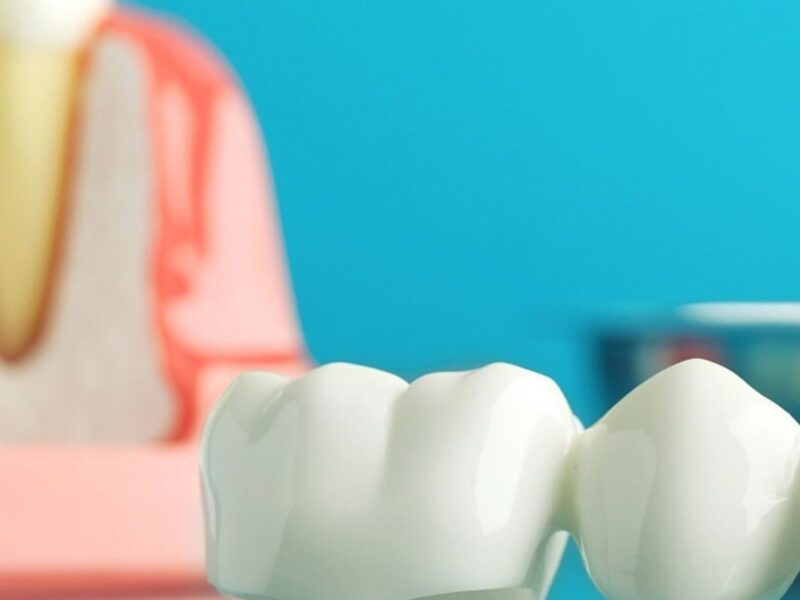
Yes, you can usually floss normally with dental crowns, and in most cases you absolutely should. A crown does not remove the need for flossing. If anything, it raises the stakes. The tooth under the crown is still vulnerable where the crown meets the natural tooth, and the gums around it can still become inflamed if plaque sits there day after day.
What changes is not the fact that you floss, but how carefully you do it, especially if the crown is new, temporary, or part of a larger restoration. People often assume a crowned tooth is somehow sealed off from problems. That is not how it works in real life. Crowns are durable, but they are not self-cleaning. Food still packs around them. Plaque still forms at the gumline. Cement can fail. Margins can trap bacteria if home care slips.
The short answer is reassuring. Most patients with a well-fitted permanent crown can floss in the usual way. The longer answer matters more, because there are a few situations where technique, timing, and the type of crown make a real difference.
Why flossing around crowns matters more than many people think
A crown covers and protects a damaged tooth, but it does not make that tooth immune to decay or gum disease. The weak point is usually the margin, the fine edge where the crown meets your natural tooth structure. If plaque gathers there, the bacteria can irritate the gums and, over time, cause decay at the edge of the crown.
That pattern shows up often in practice. A patient will say, “But I had that tooth fixed already.” What they mean is that the visible part was restored. What they do not Dental Crowns see is the microscopic line where the restoration ends and the tooth begins. If that edge stays clean, crowns can last a very long time. If it stays coated in plaque, problems tend to creep in quietly.
Gum health matters just as much. A crown sitting next to puffy, bleeding gums is harder to clean, harder to monitor, and more likely to collect debris. Inflammation changes the shape of the tissue, which creates more places for plaque to cling. Patients sometimes blame the crown itself for bad breath or tenderness, when the real issue is often plaque sitting around the margins and under the gumline.
There is also a practical point that gets overlooked. Crowns are an investment. Depending on the material and the location of the tooth, they can be costly, and replacing one is rarely as simple as maintaining it well in the first place. Daily flossing is one of the cheapest ways to protect that investment.
What “normal” flossing means when you have a crown
For a single permanent crown on a natural tooth, normal flossing generally means sliding the floss gently between the teeth, curving it around the side of the tooth in a C shape, moving it slightly under the gumline, and wiping up and down along the tooth surface. That is the same basic technique recommended for natural teeth.
The key word is gently. Aggressive snapping of floss into the contact point is rough on any tooth, and it can be particularly irritating around a recent crown. The floss should pass through with a controlled motion. Once it is below the contact, it should hug one tooth surface, then the other.
People often worry that floss will pull a crown off. With a properly cemented permanent crown, that should not happen during ordinary flossing. If floss repeatedly catches, shreds, or seems to lift the crown, the problem is not flossing itself. It may be an overhang, an open margin, rough porcelain, excess cement, or a crown that does not fit as smoothly as it should. Those are reasons to call the dentist, not reasons to stop cleaning the area.
Temporary crowns are a different story. They are attached with weaker cement by design, because they are meant to come off later. With a temporary, many dentists recommend sliding the floss out sideways rather than lifting it back up vertically through the contact. That small change reduces the chance of dislodging the temporary crown.
Permanent crowns versus temporary crowns
This distinction matters because the advice is not identical.
A permanent crown is bonded or cemented for long-term function. Once it is properly seated and your dentist has confirmed the bite and contact points, flossing should be part of normal care. If the crown is healthy, floss should glide through with mild resistance and then move smoothly against the sides of the tooth.
A temporary crown lives in a more fragile phase. It can loosen if sticky food tugs on it or if floss is pulled upward too forcefully. During those days or weeks between tooth preparation and final placement, your routine may need small adjustments. Most patients do fine if they floss gently and pull the floss through from the side rather than popping it back up.
That temporary period also confuses people because the gums may be tender, the tooth may feel odd, and the contact can feel tighter than usual. None of that automatically means something is wrong. It just means the tooth is between stages, and your cleaning needs a bit more finesse.
When flossing can feel different around a crown
Even when everything is done well, a crowned tooth may not feel exactly like an untouched natural tooth. Some crowns have slightly different contours. Contact points can feel tighter. If the crown corrects a previous fracture or large cavity, the shape between the teeth may be healthier but unfamiliar.
A common example is the person who had a tooth with a broken wall or a huge old filling that used to trap food constantly. After the crown is placed, floss may feel snugger because the proper anatomy has been restored. That can actually be a good sign, provided the floss still passes through without shredding.
On the other hand, floss that frays every time is worth attention. Fraying can suggest a rough edge, a bit of excess cement, or a margin that needs polishing. Sometimes the fix is quick. A dentist can smooth the area in minutes. Patients who ignore it often adapt by avoiding floss there, and that is when plaque accumulation starts.
There is also the issue of sensitivity. Some people notice mild tenderness around the gums for a few days after crown placement, especially if the tissue was already inflamed before treatment. Gentle flossing usually helps the tissue settle by keeping plaque away. Avoiding the area completely tends to prolong irritation.
The technique that protects the crown and the gums
The best flossing technique around dental crowns is not exotic. It is careful, deliberate, and consistent. Most trouble comes from rushing.
Here is the simple sequence I usually recommend for a permanent crown:
- Guide the floss between the teeth with a gentle back-and-forth motion, rather than snapping it through.
- Wrap the floss against one side of the tooth in a C shape and slide it slightly beneath the gumline.
- Move the floss up and down several times to wipe the surface clean.
- Repeat on the neighboring tooth surface before removing the floss.
- Lift the floss out carefully, unless your dentist has told you to slide it out sideways for a temporary crown or a specific restoration.
That is it. No special ritual, no complicated gadget required for most single crowns.
Waxed floss can be helpful if contacts are tight, because it tends to pass through more easily. Floss picks are convenient, but they do not always let you curve the floss around the tooth as effectively as string floss. Water flossers can be excellent additions, particularly for patients with bridges, braces, or reduced dexterity, but they usually work best as a supplement, not a total replacement for traditional floss on a single crowned tooth.
Situations where you should not floss “normally”
This is where nuance matters. The phrase “floss normally” works for many crowns, but not all restorations behave the same way.
If you have a crown that is part of a bridge, you cannot floss straight down through the false tooth area because there is no open contact there. You will need a floss threader, super floss, or another tool that lets you clean under the bridge. Implant crowns also deserve separate attention. The crown may look similar to a natural tooth crown, but the tissue support is different, and your dentist may recommend specific tools that are less likely to scratch the implant components.
If the crown is new and your dentist told you the cement needs time to set or the tissue is healing, follow those instructions even if they differ from your usual routine. Likewise, if the crown feels loose, floss is catching badly, or you smell something unpleasant around that tooth no matter how carefully you clean, normal home care is not enough. Something may need adjustment.
Another exception involves temporary crowns, as mentioned earlier. Sideways removal of floss is often the safer move. A patient who forgets that detail can dislodge the temporary over a sink and panic, even though the fix may be simple.
Signs that something is off
A good crown usually becomes boring quickly. It blends into your routine. You chew on it, brush it, floss it, and stop thinking about it. When a crown keeps drawing your attention, it is worth noticing why.
The most useful warning signs include the following:
- floss shredding or tearing in the same spot repeatedly
- a crown that feels loose, lifts slightly, or shifts under pressure
- persistent bad odor or taste around one tooth despite cleaning
- bleeding gums around the crown that do not improve after a week or two of careful hygiene
- food trapping every day around the same contact point
Any one of these can have a harmless explanation, but they are common clues that the fit, contour, or margin needs a second look.
Patients sometimes blame themselves too quickly. If you are flossing gently and consistently and the area still acts up, that does not automatically mean your technique is poor. Restorations are handmade and adjusted chairside. Even excellent work sometimes needs a small refinement after you have lived with it for a week or two.
What can happen if you stop flossing around a crown
The first change is usually gum inflammation. The gums get puffy, shiny, or prone to bleeding. People often react by flossing less because the area feels tender. Unfortunately, that usually makes the cycle worse. Plaque thickens, inflammation increases, and the gumline becomes even more sensitive.
Over time, decay can develop at the crown margin. This is especially common when the crown extends near the gumline and oral hygiene has slipped. Unlike a cavity on an exposed chewing surface, decay under a crown margin can stay hidden for a while. Sometimes the first obvious sign is recurrent sensitivity, a bad taste, or findings on an X-ray.
Food impaction is another issue. If flossing is neglected, plaque and trapped debris can distort the gum tissue and worsen the feeling that food gets stuck there all the time. It becomes a self-reinforcing problem. The area is hard to clean because it is inflamed, and it stays inflamed because it is hard to clean.
For patients who have spent real money and time getting dental crowns, this is the frustrating part. The restoration itself may still be intact, but the surrounding biology starts to fail.
The role of floss type and other cleaning tools
There is no universal “best floss” for every crowned tooth. The best choice is the one you can use correctly every day without injuring the gums or avoiding tight contacts.
Waxed floss often works well around dental crowns because it slips through snug areas more easily. Unwaxed floss gives good tactile feedback, but it may fray more readily if the crown has a rough edge. PTFE floss, the slick ribbon-like kind, can be useful for especially tight contacts.
If you have limited hand dexterity, floss holders can make daily care more realistic. They are not perfect, but a tool you use consistently beats a technique you abandon after three days. Water flossers are popular for a reason. They are especially helpful around gum margins, orthodontic appliances, and bridges. Still, on a simple single crown, they generally complement rather than replace mechanical plaque removal from floss.
Interdental brushes can help if there are larger spaces between teeth, but they need to fit correctly. A brush that is too large can traumatize the gums or scratch certain restorative surfaces. If you are unsure, this is one of those details worth having demonstrated in person.
After a new crown, when should you resume flossing?
For most permanent crowns, patients can return to normal gentle cleaning right away unless their dentist gives a specific instruction otherwise. The tooth may feel tender for a few days, and the gum may be slightly irritated from the procedure, especially if a retraction cord or a lot of adjustment was needed. That mild soreness is usually not a reason to skip flossing.
A practical pattern is to be extra gentle for the first 48 to 72 hours, pay attention to how the floss moves through the contact, and avoid aggressive testing. You do not need to “check” the crown every hour by wiggling at it with your tongue or floss. Just clean it normally and let the area settle.
If the floss is impossible to pass, or if it snaps through and jams painfully into the gum, contact your dentist. Contacts that are far too tight can often be adjusted. Patients should not have to invent workarounds forever.
Crowns on front teeth versus back teeth
The basic flossing principle is the same, but back teeth tend to present more practical challenges. Molars are harder to see, harder to reach, and more likely to have broad contact areas that trap food. A crown on a back molar also takes heavier chewing forces, so keeping the margins clean matters a great deal.
Front tooth crowns often draw more attention because they are visible, but they can actually be easier to floss. The challenge there is often cosmetic contour. If a front crown is slightly bulky near the gumline, plaque may gather more easily unless technique is precise. Patients with front crowns also tend to notice gum recession sooner because aesthetics are part of the concern.
Whether the crown is in front or back, the rule holds. Clean the margin, respect the tissue, and pay attention to any change in how floss moves.
A few real-world habits that make crowns last longer
People sometimes search for a special crown-care secret, but longevity usually comes from ordinary habits done reliably. A beautifully made crown can fail early in a neglected mouth, while an average-looking crown can serve for many years in a patient who keeps the margins clean and attends regular checkups.
The patients who do best tend to share a few patterns. They do not skip flossing for the crowned tooth just because it feels “fixed.” They notice if floss starts catching. They come in when something changes, rather than waiting six months while food packs around the area every night. They also understand that a crown is part of a system. If the gums are unhealthy or clenching forces are excessive, the restoration feels that stress too.
One patient I remember had a lower molar crown that kept trapping meat fibers and shredding floss. She had stopped flossing there because she was afraid of damaging it. The crown itself was strong, but a tiny rough spot near the contact was catching the floss every time. A brief polish solved the problem. Within two weeks, the gum had calmed down because she was finally cleaning the area again. That kind of story is common. Sometimes the difference between an annoying crown and a comfortable one is a very small adjustment.
When to call your dentist instead of troubleshooting on your own
A day or two of mild tenderness after crown placement is ordinary. Bleeding that steadily improves as you clean is also fairly common if the gums were irritated. What deserves professional input is persistence or change.
If the crown feels high when you bite, if floss cannot pass, if it frays every single time, or if the crown seems mobile, get it checked. If you have a temporary crown that comes off, call the office promptly. Do not wait a week while chewing on the exposed tooth. The underlying tooth can shift, become sensitive, or make the final crown harder to fit.
There is no prize for “toughing it out” with a restoration that feels wrong. Small issues are usually easier to correct early.
So, can you floss normally with dental crowns?
In most cases, yes. With a permanent, properly fitted crown on a natural tooth, normal gentle flossing is not only safe, it is essential. The goal is to keep the crown margin and the surrounding gums clean so the restoration lasts and the tooth underneath stays healthy.
The exceptions are important but manageable. Temporary crowns need a gentler approach. Bridges, implants, and unusual restorations may require special tools. Floss that catches, shreds, or seems to lift the crown is not something to ignore.
Dental crowns do not excuse you from flossing. They give you a reason to do it well.
Simple Dental South Gate
Address: 8617 California Ave, South Gate, CA 90280
Phone number: +13236896118
FAQ About Dental Crowns
How much do crowns cost per tooth?
In the United States, a single dental crown typically costs between $800 and $2,500 per tooth without insurance. The ultimate out-of-pocket price depends heavily on the crown material, the location of the tooth, and whether you have dental insurance coverage.
What is the downside of crowns on teeth?
The primary downside of a dental crown is that the procedure permanently removes natural tooth enamel to shape the tooth for the cap.
Why do dentists push for crowns?
Dentists recommend crowns because a large filling cannot provide enough strength when a tooth loses a major portion of its structure or faces heavy chewing pressure.